



 Back to Search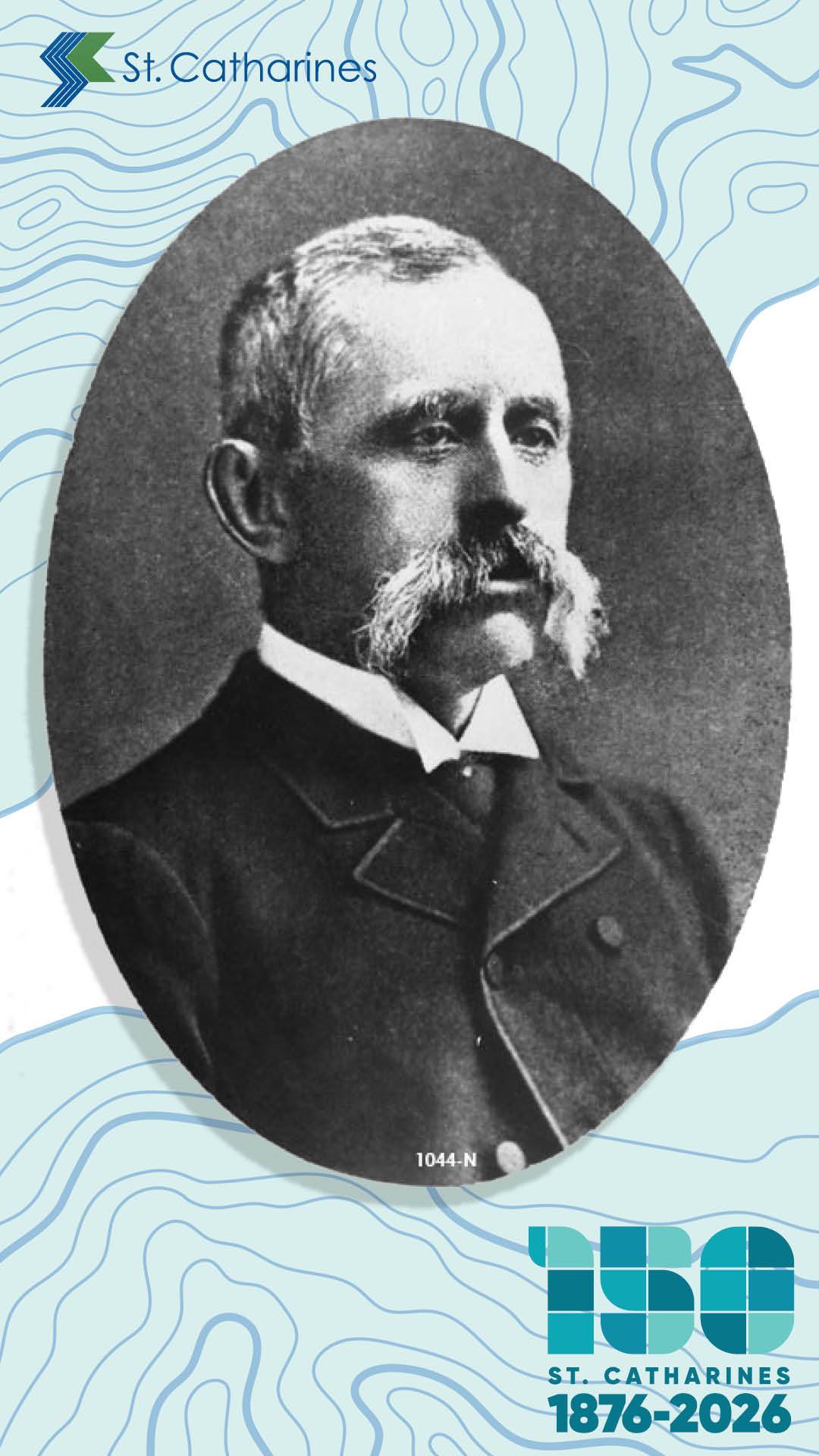
In 1875, St. Catharines town council approved a by-law to construct a waterworks. The main driving force behind the construction of the waterworks was Mayor Dr. L. S. Oille.
The land for the DeCew Water Works was expropriated in 1876 and construction of the water supply system occurred between 1877 and 1879. The water supply system was initially intended to aid in fighting fires and then was expanded to include distribution to businesses and homes.
The St. Catharines Museum and Welland Canals Centre is helping us celebrate our 150th anniversary of being officially incorporated as a City with a weekly look back into our rich history from a diverse range of perspectives.
Water was diverted from the Welland Canal at Allanburg in a seven-mile channel to two storage reservoirs behind earthen dams across Beaverdams Creek. It was then gravity fed from the reservoir, south of the escarpment and down the slope, then taken by pipe under Twelve Mile Creek and carried the four miles to the city along Pelham Road. The principle pipeline crossed the Second Welland Canal by a deep main constructed between Lock 2 and 3 when the canal was drained of water. Mains were laid along city streets and water was supplied direct to various industries. The water rate at the outset was 4 cents per thousand gallons.
By 1900, there were 30 miles of distribution mains and the water was stated to be in universal use.
This modern system of water supply replaced the town pump at Market Square, smaller private wells, and the various cisterns from which firemen took water. Not only was the fire hazard extensively reduced but houses no longer had to rely on their own wells and pumps for water.
The above photo is of Mayor Dr. Lucius Oille, known as the father of the waterworks and sat on the Waterworks Commission for 17 years. (1044-N)
 Subscribe