



Learn about the invasive species that threaten to weaken and destroy the urban forests within the City of St. Catharines.
Spotted Lanternfly |
|
The spotted lanternfly is an invasive species that can feed on more than 100 species of trees and plants and poses a significant threat to the grape, tree fruit, wine and ornamental nursery industries. If you see a spotted lanternfly in St. Catharines (or anywhere in Canada), the Canadian Food Inspection Agency wants you to act quickly:
Report a Spotted Lanternfly Sighting What are Spotted Lanternflies?The CFIA states the spotted lanternfly (Lycorma delicatula, Hemiptera: Fulgoridae) is an impressive and colourful insect native to Asia, and has been recognised as a potential threat to the grape, fruit tree and forestry industries in Canada. It was first detected in North America in Pennsylvania in September 2014. What do Spotted Lanternflies look like?
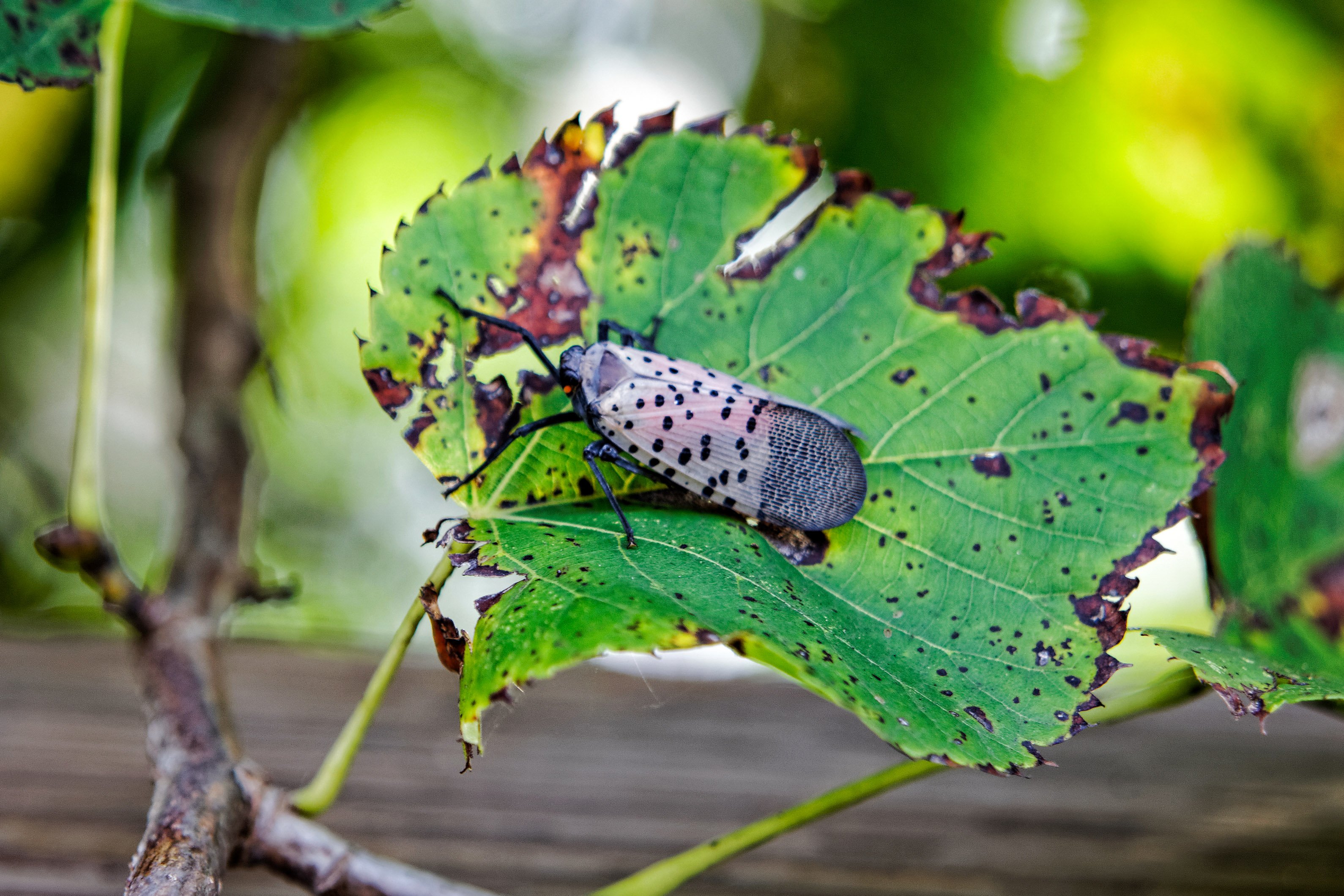
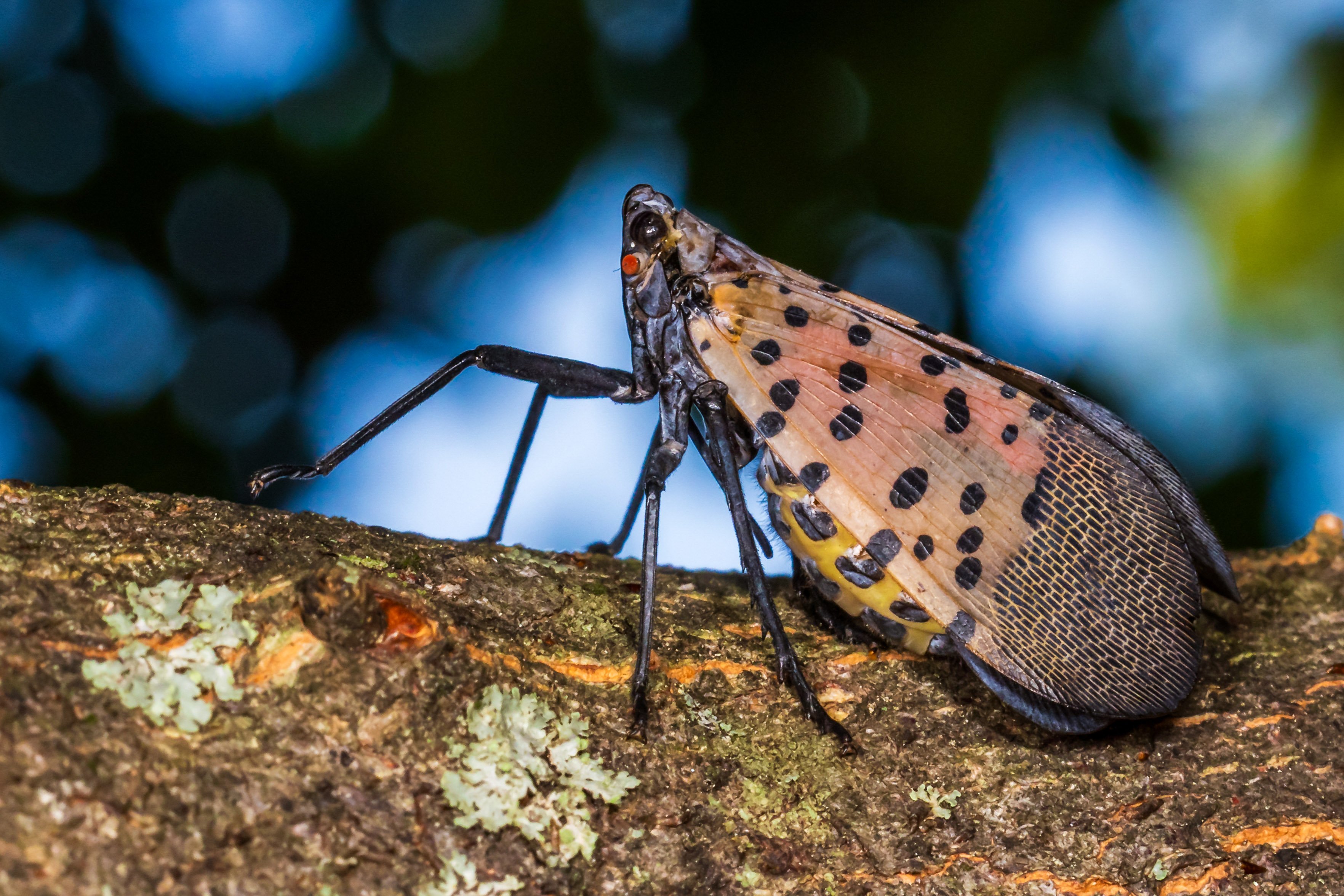
The CFIA states spotted lanternfly adults are approximately 25 mm long and 12 mm wide. They have uniquely-coloured wings: the front wings are light brown/grey with black spots at the front and dark speckled bands near the back. The rear wings are red in colour and have black spots near the front and white and black bands at the back. The abdomen is yellow with horizontal black stripes,
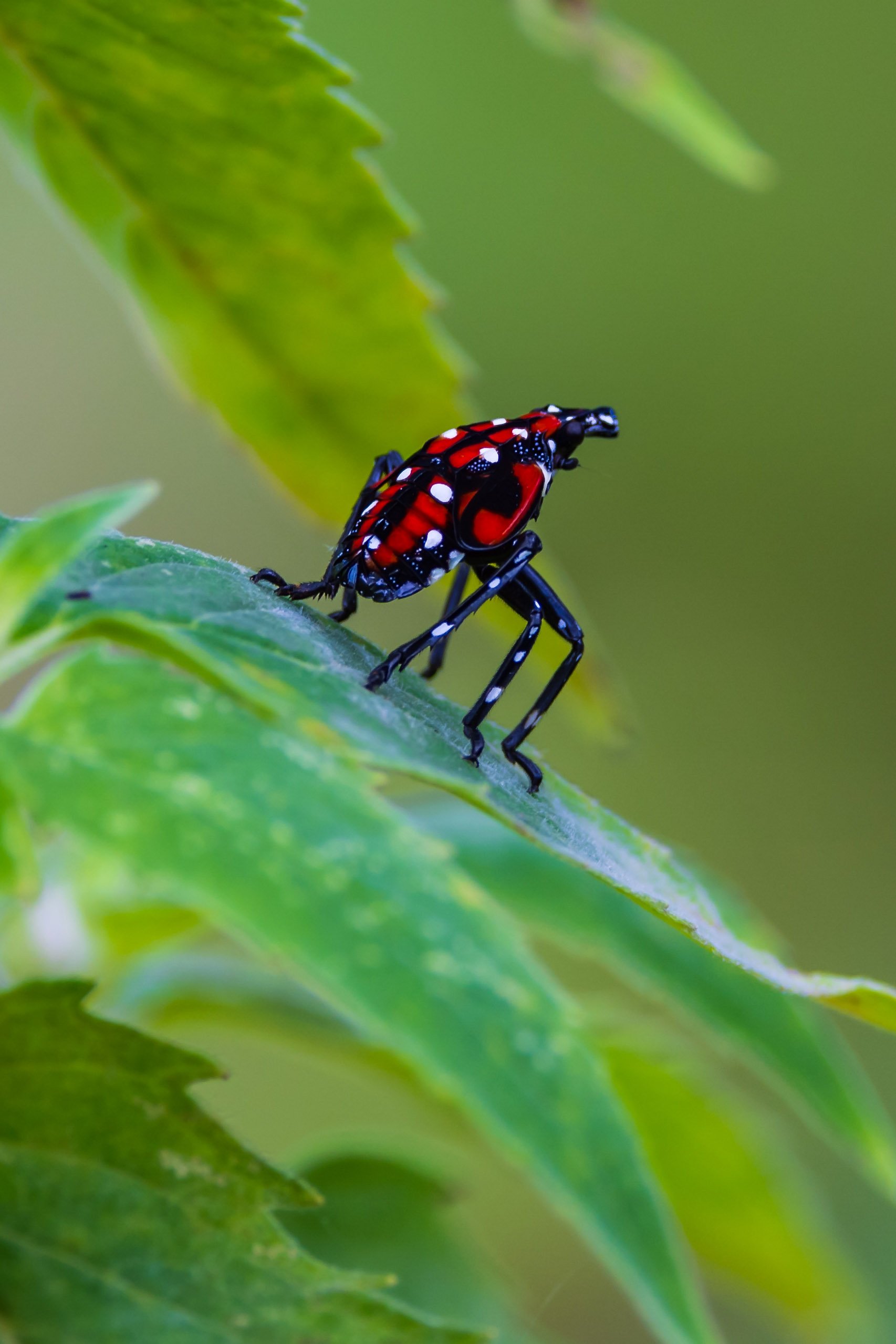
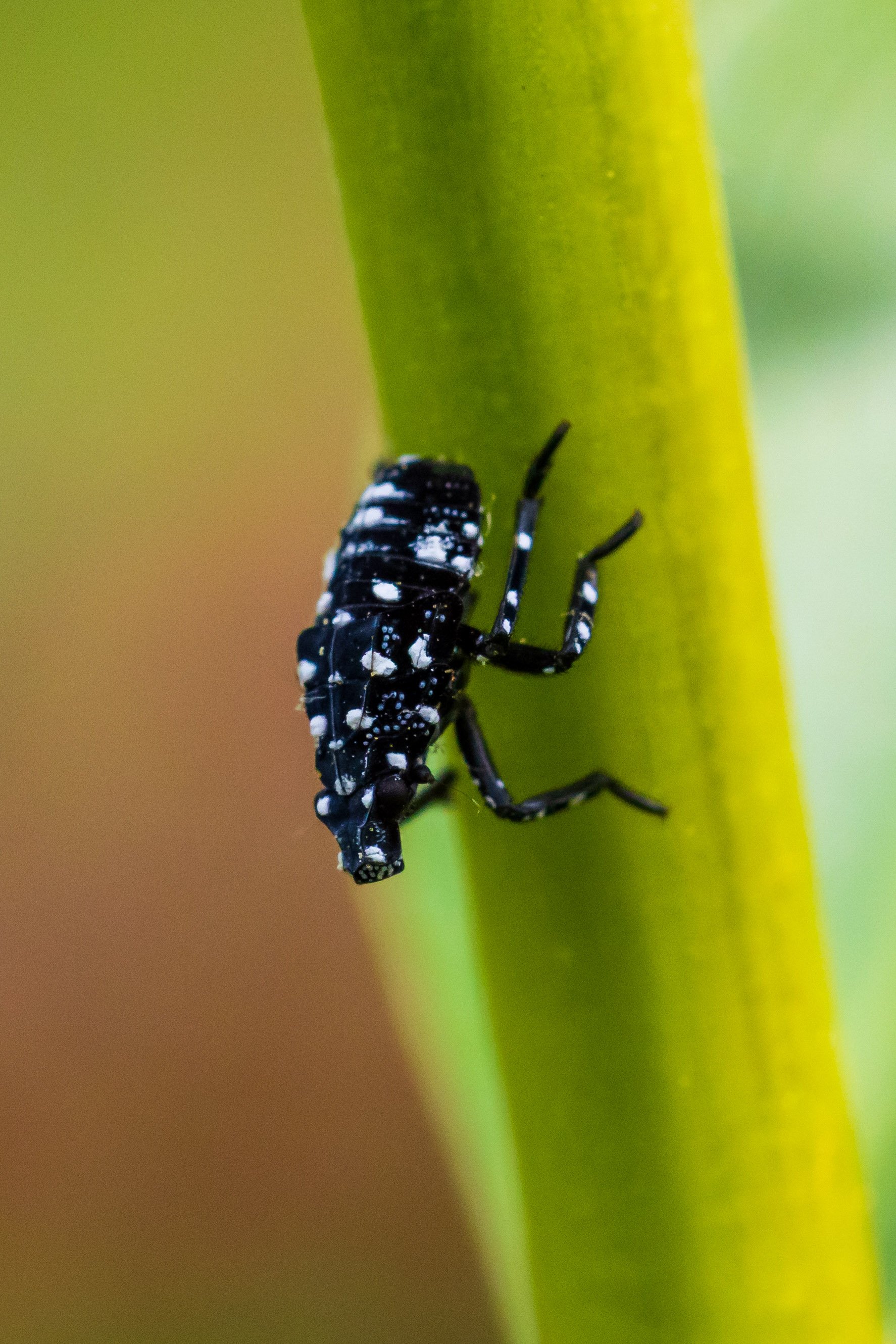
Early stage nymphs are black and white, while later stage nymphs are black, white and red. Because of its distinctive appearance, this insect is not easily confused with any other insect known to occur in Canada.
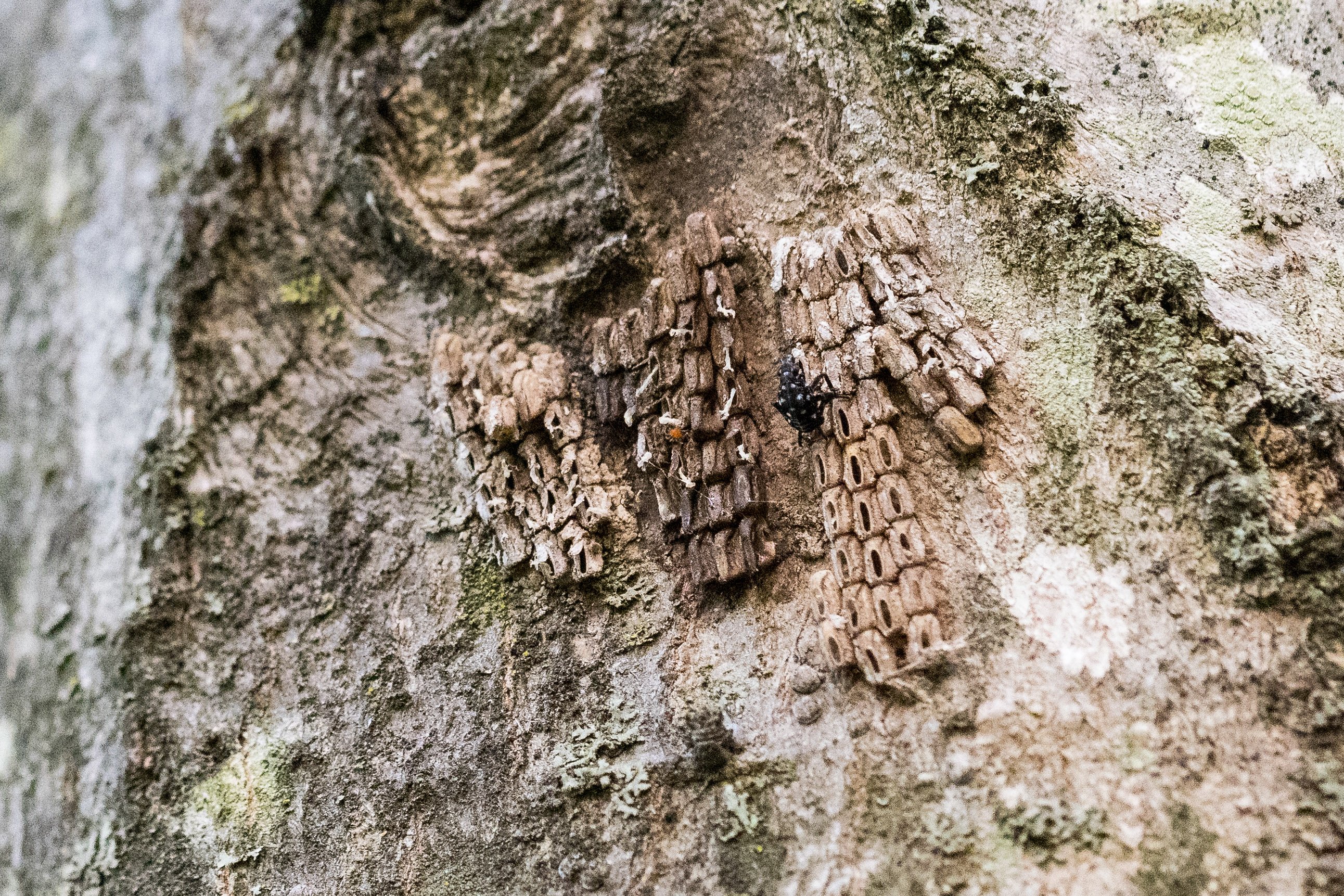
Newly laid egg masses are brown in colour and covered in a grey, waxy coating. Older egg masses lose the coating, and look like seeds arranged in 4 to 7 vertical rows. Egg masses are approximately 25 mm long. More Information |
Spongy Moths |
What are Spongy Moths?The Spongy Moth (Lymantria dispar), previously known as European Gypsy Month, is an insect that can severely weaken or kill trees by eating all the leaves during its caterpillar or larva stage. This makes them more susceptible to disease and damage from other insects. What does a Spongy Moth look like?There are four stages of a Spongy Moth which changes their look:
Where do Spongy Moths live?Spongy moths are preferred hosts to:
Spongy Moths are less commonly found on:
How to control Spongy MothsThere are a variety of ways to control Spongy Moths from destroying your trees. These methods include:
How do I control a severe case of Spongy Moths?If your trees have a severe case of Spongy Moths, apply a biological insecticide containing Bacillus thuringiensis kurstaki (Btk). This bacterial insecticide affects the caterpillars of moths and butterflies. It is only effective when caterpillars are in an early stage of development. Apply treatment as soon as feeding begins. A good indicator of the correct time to apply Btk is when Bridal wreath Spirea is in bloom. How to maintain your tree's healthIf you have Spongy Moths, continue to maintain your tree's health by:
|
Emerald Ash Borer |
What is Emerald Ash Borer?The Emerald Ash Borer (EAB) is a pest introduced from Asia that affects all species of Ash trees in North America. EAB has killed millions of Ash trees across southern Ontario and North America. How are Emerald Ash Borer invasive?Emerald Ash Borer infest trees when the beetle lays its eggs on the bark and in bark crevices on the trunk and branches. The larvae then tunnel beneath the bark and feed on the layer of live cells between the bark and the sapwood, cutting off the transport of nutrients and water to the tree. Although a tree may have some signs of EAB infestation, other diseases or infestations may be affecting the trees growth. Trees can die from EAB infestation within two to three years of a tree or as short as one year. How to identify EABIdentify Ash trees and EAB infestation with help from this EAB Identification Guide. Report an Ash tree with EABIf you see an Ash tree on City property showing signs of EAB contact Forestry Services at 905.935.3813. How to treat EAB on your treesIf you have an EAB infestation on your trees, contact a private certified arborist to do an inspection. The arborist will be able to confirm the presence of EAB and recommend treatment options. How to limit the spread of EABWe encourage you to treat your Ash trees and limit the movement of firewood wherever possible to help contain the spread of EAB. How the City manages EABThe EAB has been found within the city and all Ash trees in St. Catharines are at risk of dying from infestation. As a result, the City is implementing an EAB management program which includes treatment of viable Ash trees, and removal and replacement of non-viable trees where appropriate. Learn more about EABsFind additional resources on Emerald Ash Borer including: |