



 Back to Search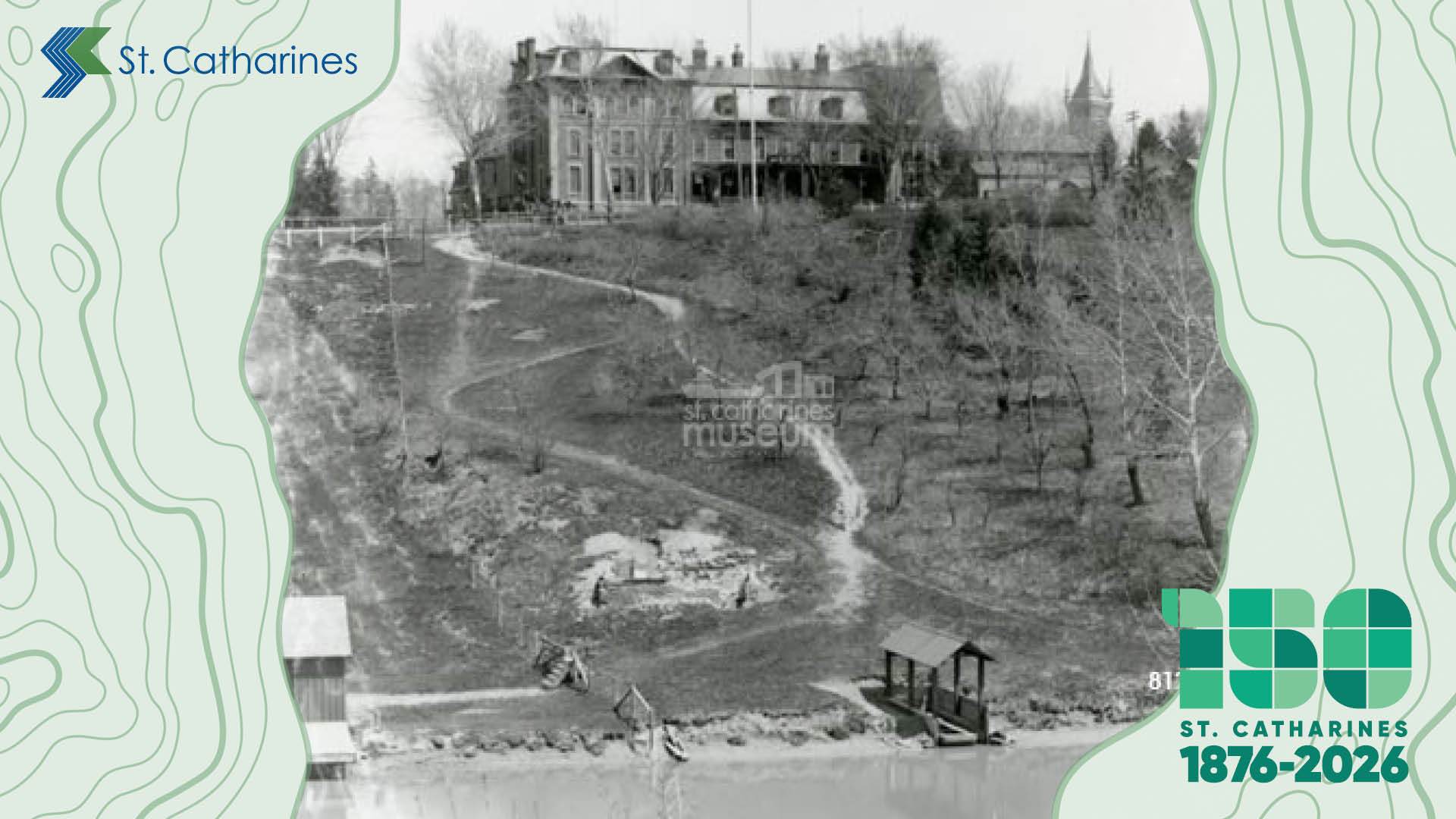
One of the most important commodities for early settlers was salt which was important in the preservation of food for longer storage, helped maintain the health of livestock, and of course makes food taste better.
The St. Catharines Museum and Welland Canals Centre is helping us celebrate our 150th anniversary of being officially incorporated as a City with a weekly look back into our rich history from a diverse range of perspectives.
After the War of 1812, the village of St. Catharines had approximately 100 inhabitants including William Hamilton Merritt who operated a general store. Merritt discovered a salt spring on his land located on the east side of 12-Mile Creek downstream from the village at Welland Vale. Recognizing the importance of salt, he opened a salt works and had six kettles in operation boiling the brine to extract the salt residue. This would have been a very resource intensive enterprise as it required 24 cords of wood per week to yield four barrels of salt. Merritt would eventually sell his saltworks to Dr. William Chace who fitted it up a with bathing establishment with hot and cold water mineral baths.
From the 1850’s to the 1890’s St. Catharines became well known for its healing waters and the three spa hotels that catered to patrons looking for a therapeutic and recreational tourism experience. The three hotels: The Springbank Hotel, The Welland House and the Stephenson House all included lovely grounds and gardens, well-appointed rooms, high quality restaurants and plumbed water from wells dug down to the mineral springs. They also offered entertainments for their patrons such as variety shows and concerts. The spa hotels were open for business from May to November and during the winter months would be only open for local patronage.
The heyday of the spa hotel would be over by 1910 and eventually all three of these buildings would eventually be destroyed by fire.
The photo above features the Springbank Hotel looking from the West side of Twelve Mile Creek sometime around 1890. (8129-N)
 Subscribe